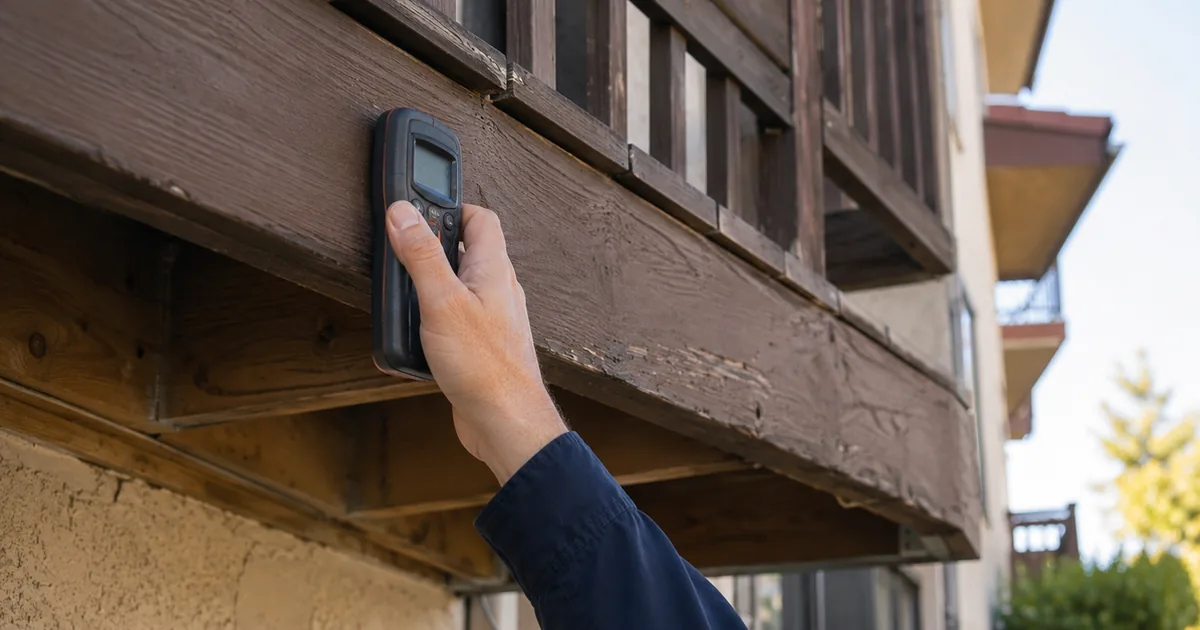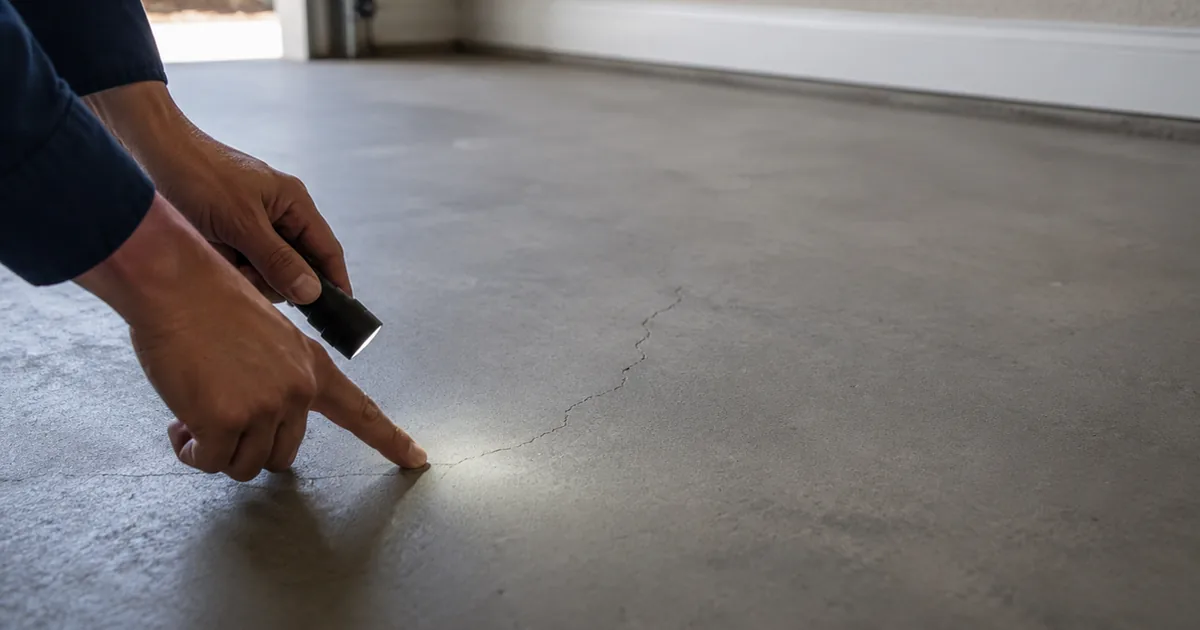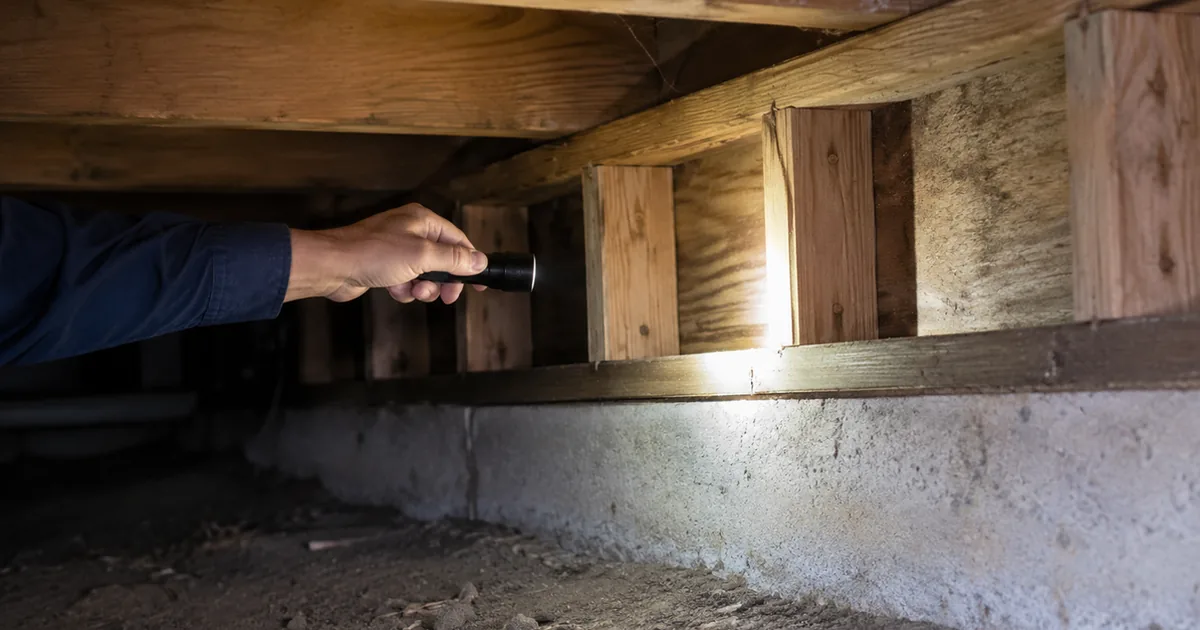
We inspected a 1958 ranch home in West Anaheim earlier this year. Clean single-story tract house, original to the postwar boom, with a buyer who planned to open up the kitchen, scrape the textured ceilings, and pull the old flooring the first month after closing. Both agents were focused on the layout and the remodel potential. Nobody had said the word asbestos out loud.
Then we walked the house with the era in mind.
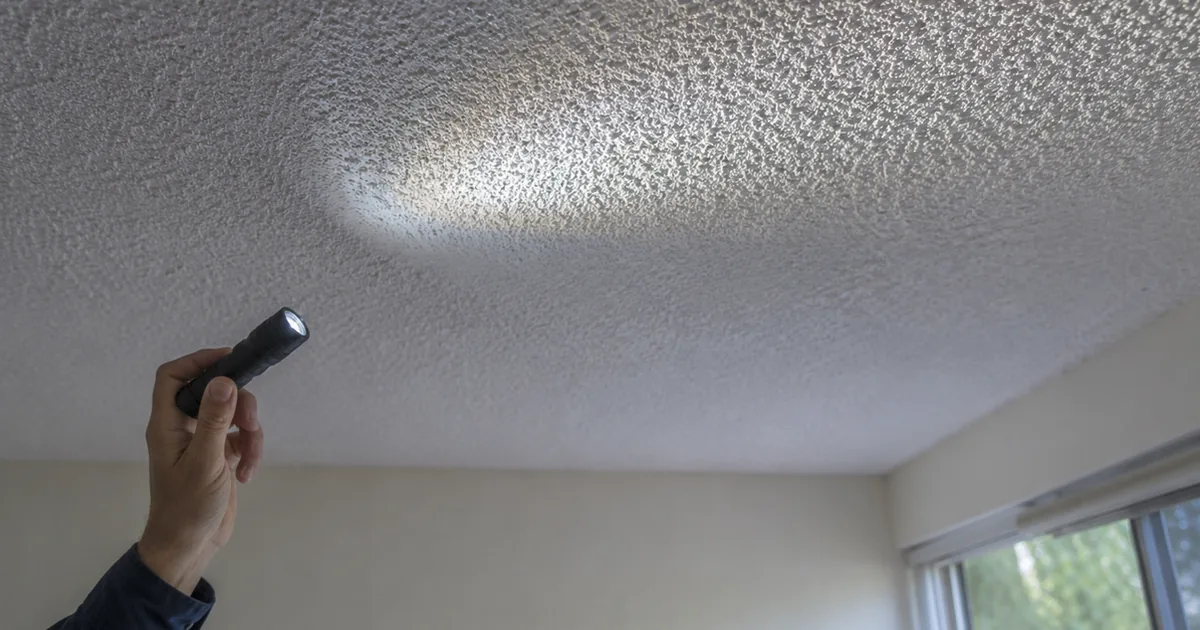
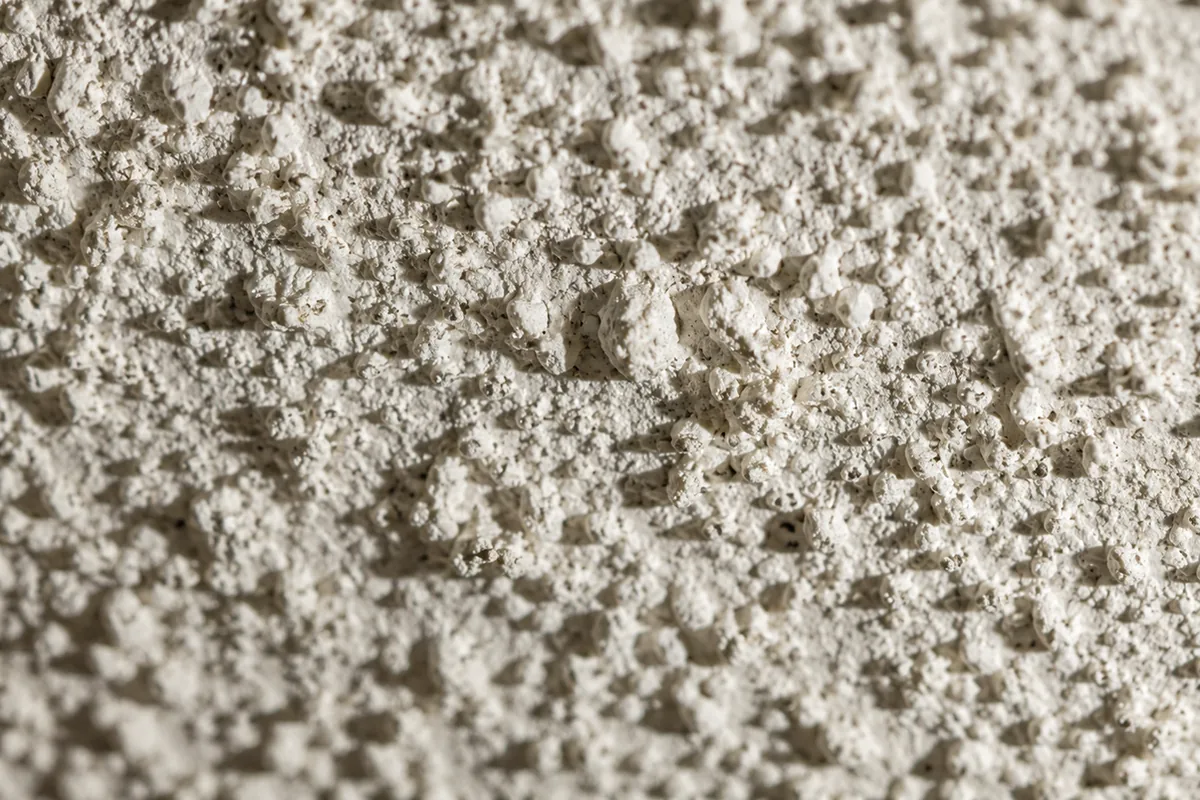
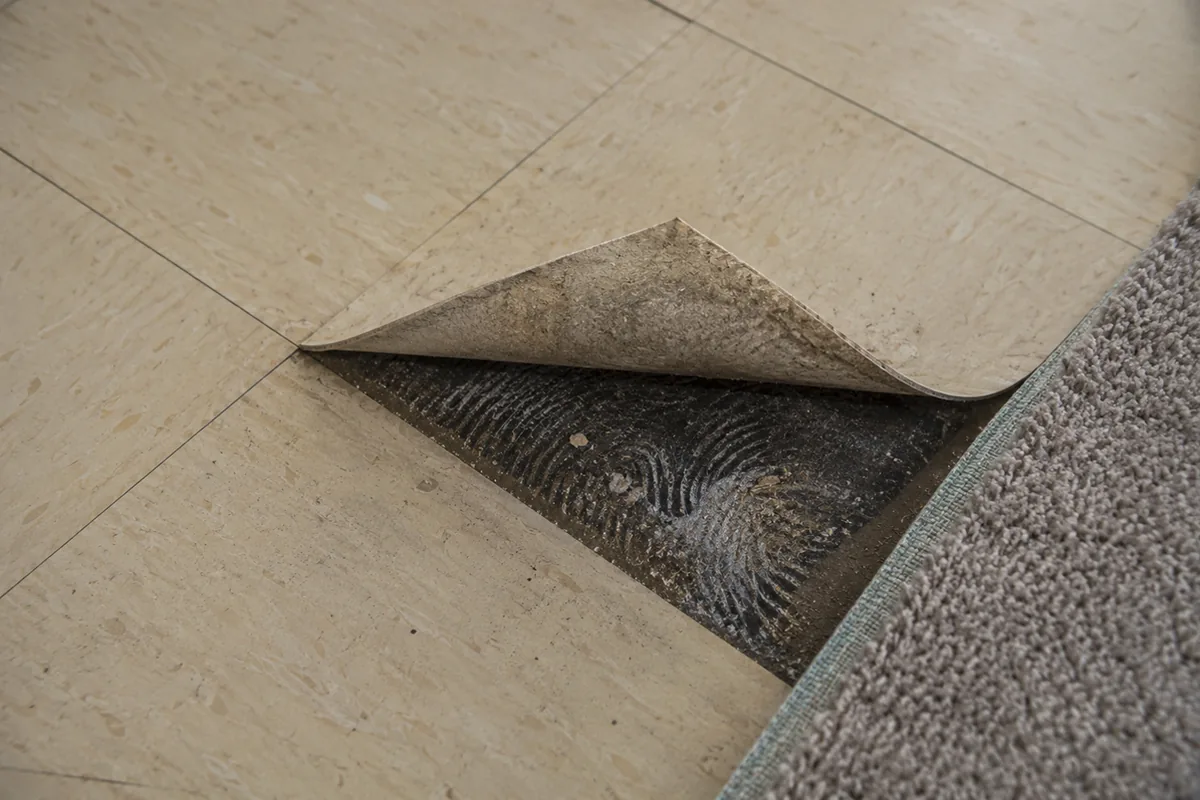
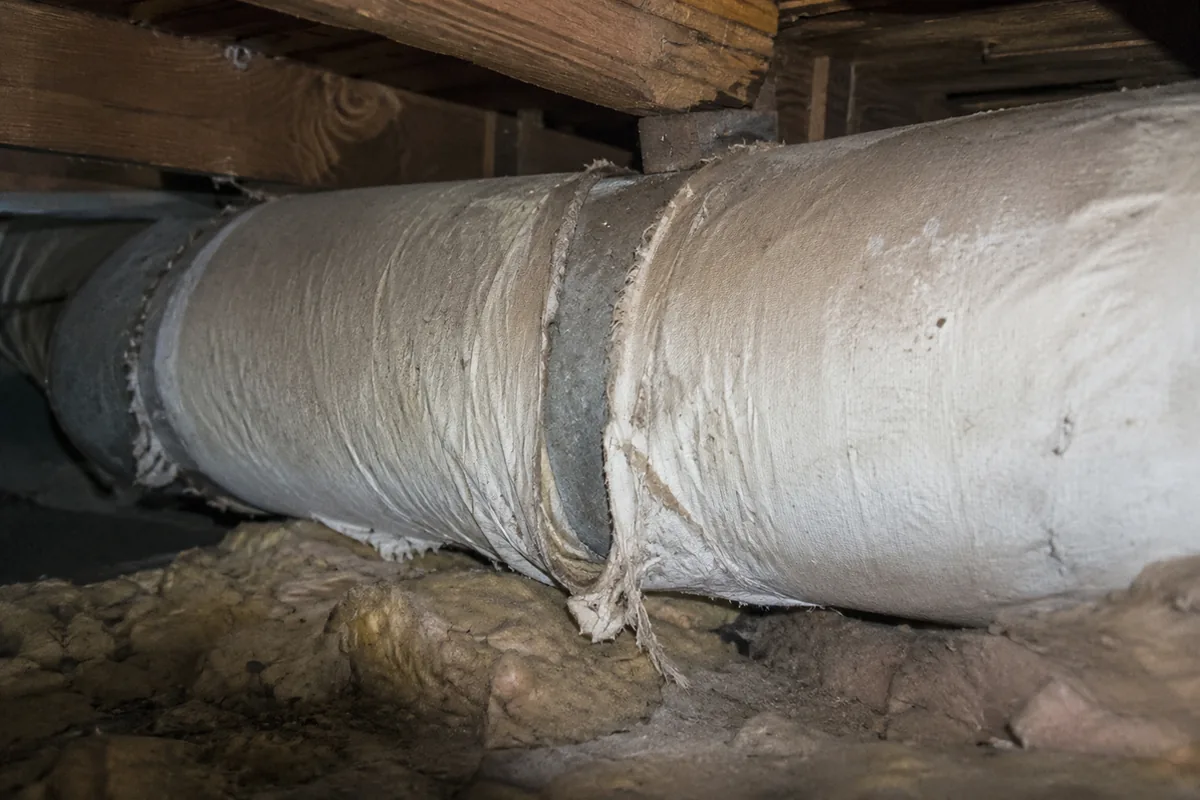
The living areas had the original sprayed popcorn ceiling, the kind common in homes from that period. Under a corner of newer carpet sat the original nine-by-nine vinyl floor tiles set in a dark mastic. In the hall closet, the heating ducts running into the attic were wrapped in a whitish, cloth-like material that looked exactly like the duct wrap of its decade. None of it was damaged, and none of it was a hazard sitting there intact. All of it was exactly what the buyer was about to sand, scrape, and tear out during the remodel they had already planned.
The buyer was the first person in the transaction to understand that the renovation budget needed a line for testing and safe handling before the demolition started.
Schedule an Anaheim inspection · Same-day report · Pay-at-closing available
Here is how that one resolved. We documented the suspect materials, the popcorn ceiling, the vinyl tile and mastic, and the duct wrap, on the same-day report, with photos, and explained plainly that we do not test for asbestos, that only a licensed lab can confirm it, and that intact materials are usually safe until a remodel disturbs them. The buyer hired a licensed asbestos consultant to sample before demolition. Two of the three materials came back positive. The buyer adjusted the renovation plan to include licensed abatement of those areas and budgeted for it, and the deal closed. The point is not that asbestos is a dealbreaker. It is that in Anaheim’s mid-century stock these materials are common, they matter the moment a buyer renovates, and the time to plan for them is during escrow, not mid-demolition.
Why this matters for the agent
Asbestos-era materials are not a defect in the way a leaking roof is. They are a condition of the era, usually harmless intact, that becomes a real cost and a real health question the moment someone disturbs them.
Three things tend to be on the line. First, the renovation cost. Most buyers of a 1950s or 60s Anaheim home plan to remodel, and licensed testing plus abatement of popcorn ceilings, old flooring, or duct wrap adds a real number to a project that demolition would otherwise make cheap. Second, the health and liability question. Disturbing asbestos-containing material without proper handling releases fibers that a standard dust mask will not stop, which is a genuine safety issue for a buyer planning to do the work themselves. Third, the diligence gap. A buyer who does not know the materials are there finds out with a sander in hand, and by then the choice to test and abate safely has already passed.
If you work Anaheim, this is a large part of your inventory. Roughly seven in ten homes here were built between 1950 and 1979, most of them in the postwar tracts of West Anaheim, which puts a great deal of the city squarely in the window where asbestos-era materials are common. Agents who raise the question early come out ahead.
What asbestos-era materials actually are
Asbestos was a common ingredient in residential building products for decades because it was cheap, fire-resistant, and durable, and it was used most heavily in the materials of mid-century construction.
In an Anaheim home built before 1980, the usual suspects are a short list. Sprayed popcorn or acoustic ceilings, applied widely until the 1978 federal ban on sprayable asbestos products, are the most recognizable. Nine-by-nine-inch vinyl floor tiles and the dark mastic under them are another, often hiding beneath newer flooring. The whitish, cloth-like wrap around heating ducts and pipes was popular through the 1950s, 60s, and 70s. Drywall joint compound, certain textured wall finishes, and vermiculite attic insulation round out the list. Intact and undisturbed, these materials are generally not a health hazard, and the standard guidance is to manage them in place. The risk comes from disturbance, when cutting, sanding, scraping, or demolition releases the fibers into the air.
The reason this matters in Anaheim specifically is timing. The 1978 ban on sprayable asbestos did not instantly clear it from homes, because manufacturers were allowed to use up existing stock, so materials installed into the mid-1980s can still contain it. A home built in the heart of Anaheim’s postwar boom is right in the window, and the buyer who plans to renovate is the one who needs to know.
Why these materials become a problem (the part most agents skip)
Asbestos-containing material in a mid-century home is not a problem because it exists. It becomes a problem because of what buyers do to a 1958 ranch house after they buy it.
The hazard is entirely about whether the material is intact or disturbed. A popcorn ceiling that stays on the ceiling, vinyl tile that stays under the carpet, and duct wrap that stays wrapped around the duct release nothing into the air a person breathes. The fibers are bound in the material. The trouble starts with exactly the work that makes an old tract home appealing to a buyer: scraping the textured ceiling for a smooth modern look, ripping up the old flooring and the mastic with it, cutting into ducts during an HVAC upgrade, or sanding joint compound during a remodel. Each of those turns a stable material into airborne fibers, and those fibers do not settle out quickly and cannot be filtered by an ordinary mask. The danger is invisible and odorless, which is why a buyer with a weekend demolition plan is the person most at risk.
This is the part agents and buyers most often miss, because nothing about the material looks dangerous on a showing. It looks like a dated ceiling and old flooring, the very things the buyer intends to remove. The condition that makes it safe, leaving it alone, is the opposite of the buyer’s plan.
What agents should tell every buyer on a mid-century Anaheim home
A short list buyers writing offers on 1950s-70s Anaheim homes should hear from you before they go into escrow.
- A home from this era commonly contains asbestos-era materials. Intact, they are usually safe; the issue is your remodel, not the home as it sits.
- If you plan to scrape ceilings, pull flooring, or open ducts and walls, get suspect materials tested by a licensed lab before any demolition starts.
- A home inspector flags suspect materials but does not test for asbestos. Confirmation requires a licensed consultant and lab sampling.
- Budget for testing and, if needed, licensed abatement as part of the renovation, not as an afterthought once demolition is underway.
- Never sand, scrape, or tear out suspect materials yourself. Disturbing them without proper handling releases fibers an ordinary mask will not stop.
If you want a one-page version of this list to text to your buyers in the pre-offer window, ask us and we will send it.
Red flags during showings (no special tools required)
You do not need equipment to flag asbestos-era materials at a showing. Add these to your walk-through on any pre-1980 Anaheim property.
- A sprayed popcorn or acoustic ceiling in a home built before the mid-1980s, especially one the buyer plans to smooth out.
- Nine-by-nine-inch floor tiles, or newer flooring laid directly over an older tile layer you can see at a threshold or closet.
- Whitish, cloth-like or paper-like wrap around heating ducts or pipes in the attic, garage, or crawlspace.
- Vermiculite insulation in the attic, a loose, pebble-like, often gray-brown fill.
- A buyer who describes a gut renovation of an original mid-century home, which is the exact scenario that makes testing matter.
- Disclosures that mention partial remodeling, which can mean some materials were disturbed and others left in place.
None of these prove a material contains asbestos. All of them are reasons to test before a buyer disturbs anything during a remodel.
Schedule an Anaheim inspection
The negotiation playbook when asbestos-era materials surface in escrow
There are four paths most of these deals end up on. Knowing them in advance helps you steer.
Seller tests and abates before closing is uncommon, because abatement is a licensed, permitted process that is slow to schedule inside escrow, but it does happen on a vacant home or a longer close. When it does, insist the work is done by a licensed abatement contractor with proper containment and disposal documentation, and that a clearance test confirms the area before closing.
Seller credits the buyer to handle it after closing is a common outcome when the buyer plans to remodel anyway. Size the credit to a real bid from a licensed consultant and abatement contractor for the materials the buyer intends to disturb, since materials the buyer plans to leave in place may not need action at all. The written bid anchors the number.
Buyer proceeds and plans the work into the renovation is the most common path of all, because so many buyers of these homes are remodeling regardless. Your job is to make sure they go in informed, with testing and abatement built into the budget and timeline rather than discovered with a sander running.
Buyer walks under the inspection contingency is rare for asbestos alone, but it happens when the scope of suspect materials turns a light cosmetic refresh into a major abatement project the buyer did not plan for. The earnest money is protected under the contingency.
How the inspection actually catches it
A general home inspection does not test for asbestos, and no inspector can confirm it by looking, but a good inspection is where the question gets raised before a buyer starts demolition.
We inspect the home with its era in mind, so we identify and document the suspect materials a 1950s-70s Anaheim home commonly holds: the sprayed popcorn ceilings, the nine-by-nine vinyl tile and mastic, the duct and pipe wrap, and the vermiculite insulation in the attic. We photograph them on the same-day report and explain plainly that they are suspect, not confirmed, that intact materials are generally safe to leave in place, and that only a licensed consultant and lab can confirm asbestos. We also run thermal imaging and check the rest of the systems, because the same mid-century home usually carries aging electrical, original plumbing, and an end-of-life roof that belong in the same conversation. Then we point the buyer to the right next step, a licensed asbestos consultant, before any work that would disturb the materials begins.
Combined, the era-aware walk, the documented suspect materials, and the clear next step turn a hidden renovation surprise into a planned line item you can take into the negotiation. The plumbing side of the same era is covered in our Pasadena galvanized and cast iron plumbing guide, and the way thermal imaging surfaces other hidden conditions is in our piece on why infrared scanning matters.
Quick FAQ for buyers and agents
Does a home inspection test for asbestos? No. A home inspector flags suspect materials based on the home’s age and appearance but does not test. Only a licensed consultant taking samples for lab analysis can confirm whether a material contains asbestos.
Is asbestos in my Anaheim home dangerous right now? Generally not while it is intact and undisturbed. The standard guidance is to manage it in place. The risk comes from disturbing it, which is why a planned remodel is the moment it matters.
Which materials should I worry about? In a pre-1980 home, the common ones are sprayed popcorn ceilings, nine-by-nine vinyl floor tile and its mastic, duct and pipe wrap, joint compound, and vermiculite attic insulation. Sprayable asbestos was banned in 1978, but existing stock kept some materials in use into the mid-1980s.
What does testing and abatement cost? Testing by a licensed consultant is a modest, per-sample cost. Abatement varies widely by the material and the area, so get a bid from a licensed abatement contractor for the specific materials you plan to disturb before you finalize a renovation budget or a credit.
Does this come up much in Anaheim specifically? Yes. About seven in ten Anaheim homes were built between 1950 and 1979, most in the postwar West Anaheim tracts, which puts much of the city in the window where asbestos-era materials are common.
The honest summary for agents
If you work Anaheim and you write offers on its mid-century tract homes, you are selling to buyers who almost always plan to remodel, in a stock where asbestos-era materials are common. The materials identified during the inspection contingency are a planned line in the renovation budget. The ones discovered with a sander already running are a health scare and a stop-work order. Your buyer is far better served by the first.
The inspection that raises it is not the cheapest one on Yelp. It is the one that reads the home to its era, documents the suspect materials with photos, explains plainly what is safe and what needs a licensed consultant, and does it on a same-day report so you have the information in hand before the contingency clock runs out.
Schedule an Anaheim inspection or see our full inspection scope before you book. Common questions are answered in the FAQ. For the plumbing of the same era, read our Pasadena galvanized and cast iron plumbing guide, and see why infrared scanning matters on older homes.