An industry update from Inspection.re, premium home inspections across California.
Few states change the rules of a transaction as quickly as California, and 2025 to 2026 has been an especially active stretch for laws that touch the inspection side of a deal. Several long-running statutes hit their enforcement deadlines this cycle, a major wildfire-safety framework moved closer to taking effect, and disclosure packages quietly picked up a new required document. For agents across our California markets, from San Diego North County to Southwest Riverside, where HOAs, hillside communities near fire zones, and homes with pools are everywhere, these changes affect what you disclose, what you ask your inspector to look at, and where deals can stall. Here is a plain-language look at the items most relevant to inspections and how a thorough inspection helps you keep transactions moving.
1. Balcony and elevated-element inspections: from deadline to disclosure
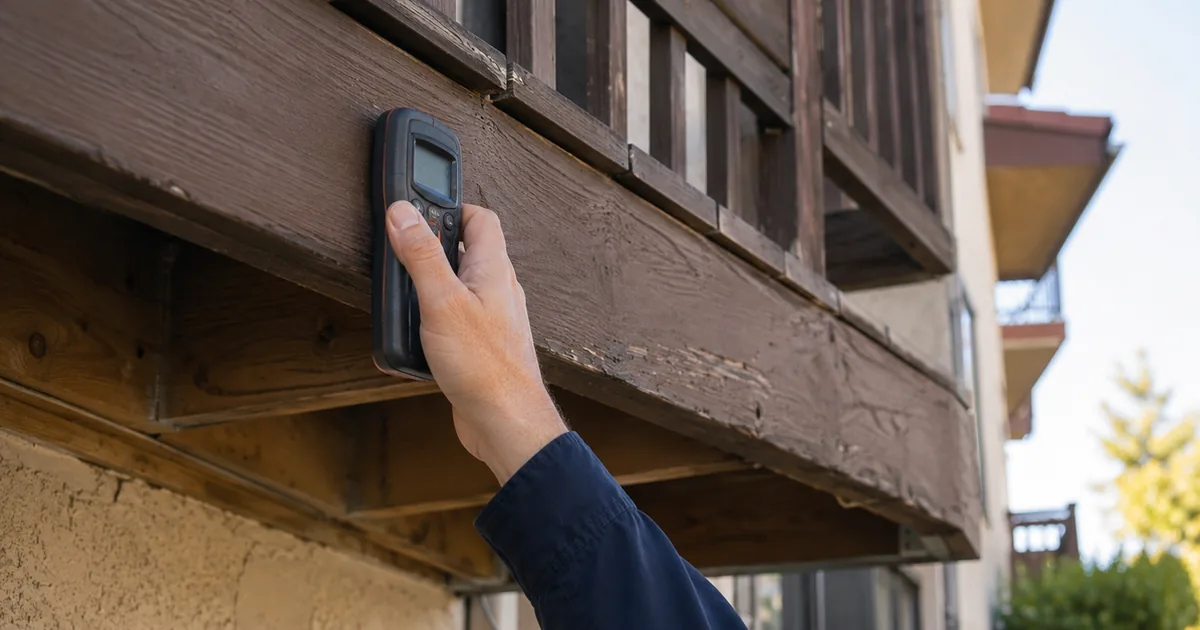
California’s two balcony-safety laws, SB 721 for rental apartment buildings and SB 326 for condominiums and other common-interest developments, were passed after the 2015 Berkeley balcony collapse. Both apply to buildings with three or more units and require inspection of exterior elevated elements (EEEs): balconies, decks, stairs, and walkways that sit more than six feet off the ground and rely on wood framing.
Both initial deadlines have now passed. The SB 326 condominium deadline was January 1, 2025, with no extension. The SB 721 apartment deadline, pushed back one year by AB 2579, landed on January 1, 2026. We are now firmly in the compliance-and-recordkeeping phase, with re-inspection cycles of every nine years under SB 326 and every six years under SB 721.
A few points matter most for agents:
- A new document in the disclosure package. Under SB 410, effective January 1, 2026, California amended Civil Code section 4525 to add the most recent EEE (balcony) inspection report to the condominium seller-disclosure packet. If you are listing a condo and that report is missing, the absence itself becomes a disclosure item, so expect questions, delays, and nervous lenders.
- Who can sign matters. Under AB 2114, a 2024 urgency statute, licensed civil engineers were added to the SB 326 inspector pool, alongside architects and structural engineers. General contractors and standard home inspectors are not qualified to sign SB 326 condo reports. (Certified building inspectors and certain licensed contractors do qualify under SB 721 for apartments, which is a separate track.)
- The reports travel with the sale. Owners must retain inspection reports and provide them to a buyer at transfer.
How professional inspection helps: While a general home inspection does not replace a statutory EEE inspection, it is often where hidden problems surface first. Water intrusion is the leading cause of the wood decay these laws target, and infrared (FLIR) thermal imaging and moisture readings can flag concealed moisture around decks, railings, and walkways long before it becomes a structural, and legal, issue.
2. Wildfire readiness tightens: Zone 0 and fire-hardening disclosures
After the devastating January 2025 wildfires, California accelerated its wildfire-mitigation agenda, and two threads are reaching agents now.
Zone 0, the ember-resistant zone. AB 3074 (2020) created a new defensible-space zone covering the first five feet around a structure in very high fire hazard severity zones and state responsibility areas, the area research shows is most vulnerable to ember ignition. The rulemaking has been slow: the Board of Forestry missed the end-of-2025 deadline set by Governor Newsom’s Executive Order N-18-25, and a board subcommittee released an updated, education-first draft in April 2026. The rollout is phased and applies to new construction first. In San Diego, new structures in very high fire hazard zones must comply on or after February 28, 2026, with existing homes required to comply by February 28, 2027. Statewide timing for existing homes depends on the Board of Forestry’s final regulations. Legislation including AB 1455 (2025) continues to push the rules toward completion.
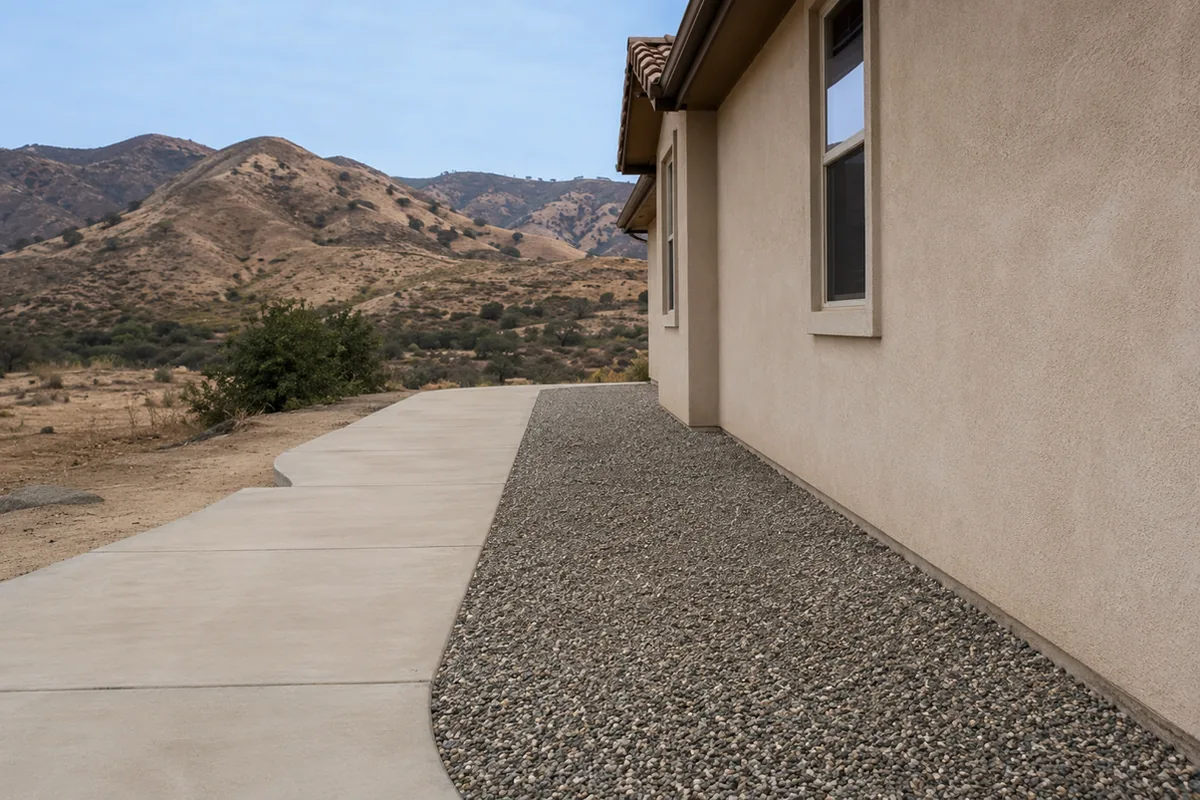
Fire-hardening disclosures, AB 38. For homes in high or very high fire hazard severity zones built before 2020, sellers must disclose known fire-hardening features and vulnerabilities. As of July 1, 2025, that disclosure must also include the State Fire Marshal’s list of low-cost retrofits, and sellers of homes built before 2010 must state which of those retrofits, if any, have been completed. Defensible-space compliance documentation under Public Resources Code section 4291 may also be required at point of sale.
How professional inspection helps: Fire-hardening features, including roof condition and debris, vent screening, eaves, siding, and the clearance immediately around the structure, overlap heavily with a standard inspection scope. Drone roof inspection lets an inspector document roof and gutter conditions safely and in detail, giving sellers accurate information to disclose and buyers confidence about what they are buying in a fire-prone area.
3. Pool and spa safety at the point of sale: SB 442
It is not new, but it remains one of the most overlooked inspection requirements in our region. Under SB 442, when a home with a pool or spa is sold, the home inspection report must identify which of the seven state-recognized drowning-prevention safety features the pool has, and must specifically state when there are fewer than two. New and remodeled pools must carry at least two of the seven features, though existing pools are not required to add them.
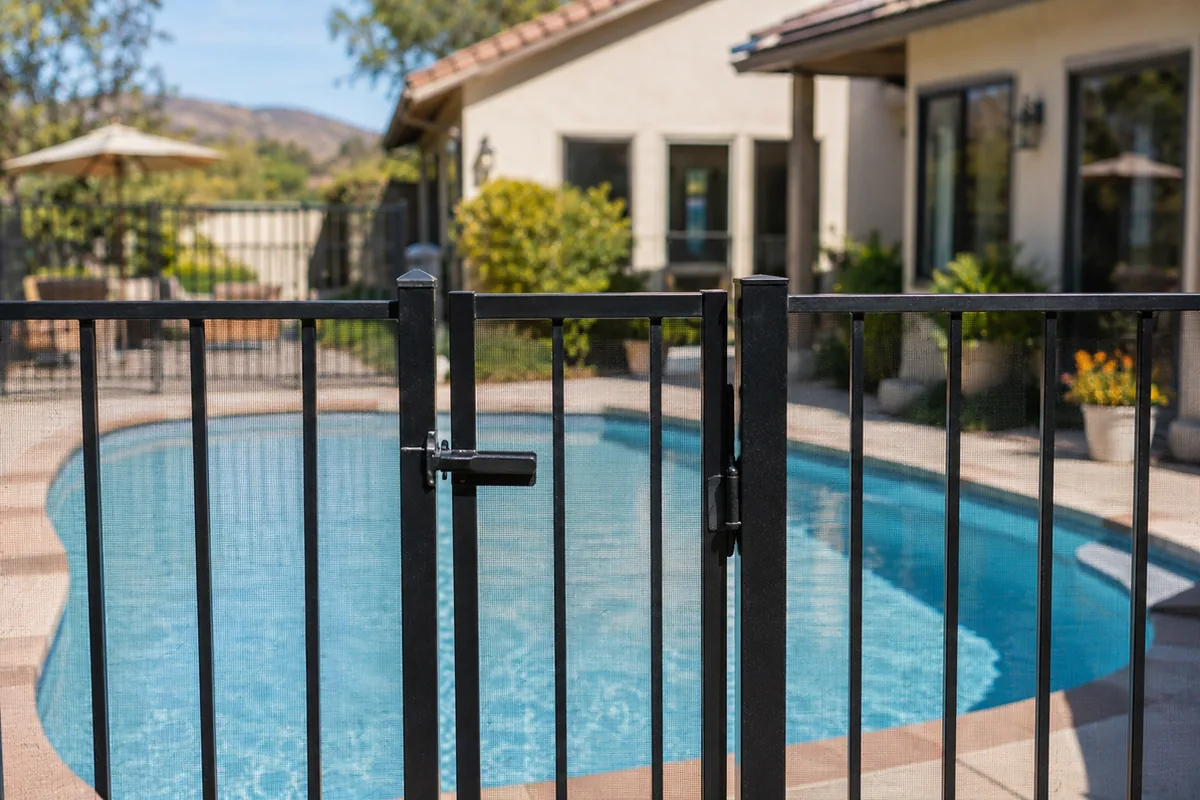
How professional inspection helps: In pool-heavy California neighborhoods, a clear, well-documented inspection report keeps this disclosure accurate and defensible, and gives buyers a precise picture of what, if anything, they will need to add after closing. For the full barrier, drain, and equipment picture, see our Beverly Hills pool and spa safety guide.
Broader context and a few practical tips
- Build the timeline backward from deadlines. EEE re-inspections, repair permits and their application windows, and defensible-space documentation can all create escrow friction. Identify them early.
- Order the inspection sooner than feels necessary. Specialized inspectors book out fast around deadlines, and early scheduling protects your closing date.
- Documentation is decisive. Detailed, photo-rich reports, including 3D scans, infrared, and drone imagery, reduce renegotiation surprises and give all parties a shared, factual basis for decisions.
The bottom line
The through-line across these 2025 to 2026 changes is simple: California keeps raising the bar on what must be inspected, documented, and disclosed before a home changes hands. Agents who understand which reports a transaction needs, and who work with inspectors who can surface issues early and document them clearly, close more smoothly and carry less liability. A thorough inspection is no longer just due diligence. Increasingly, it is part of the paperwork the deal depends on.
Schedule an inspection · See what’s included · Sample report · FAQ · Same-day report · Pay-at-closing available
This update is provided for general information and is not legal advice. For questions about how a specific law applies to a transaction, consult a qualified attorney. For inspection questions, our team is always glad to help.