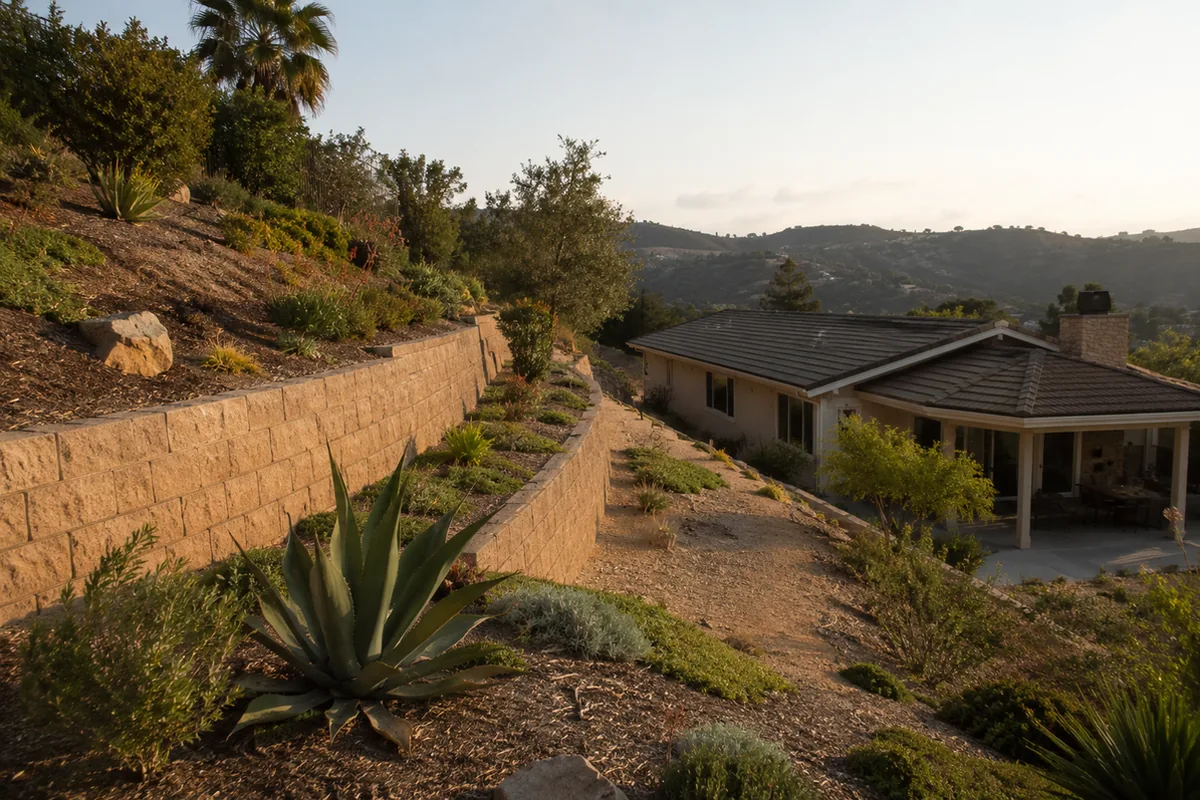
We inspected a hillside home in the Green Valley area of Poway earlier this year. Custom build on a sloped acre, big views, mature landscaping, a tiered backyard held up by a pair of block retaining walls. The house showed beautifully, and both agents were focused on the kitchen and the view. Nobody was looking at the walls holding the yard in place.
Then we walked the slope.
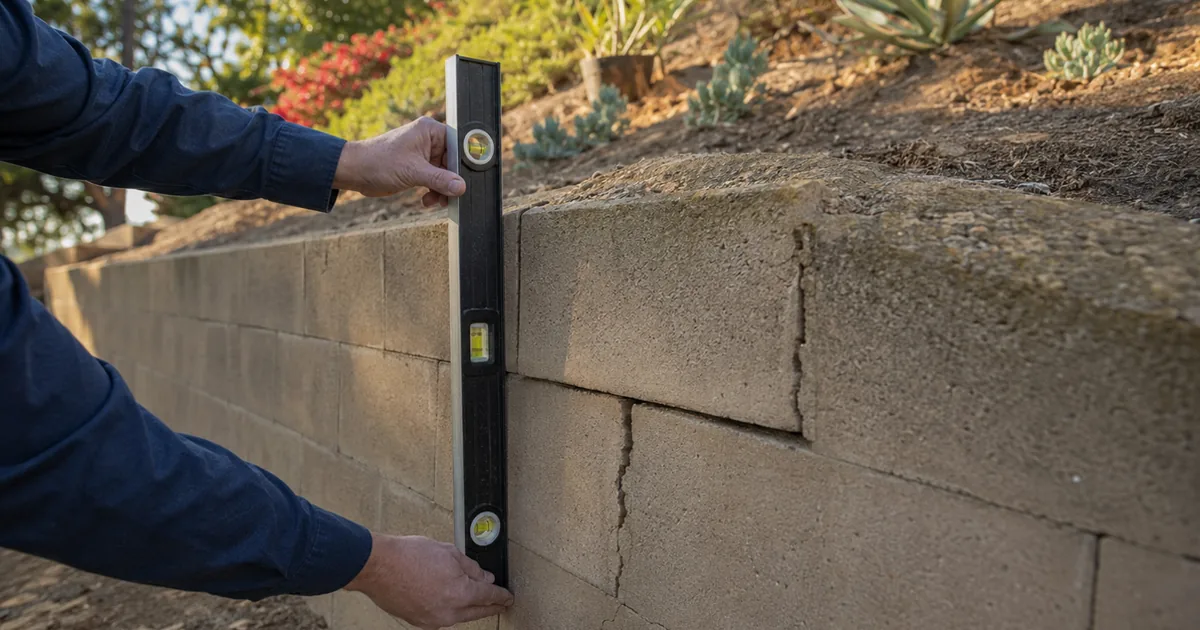
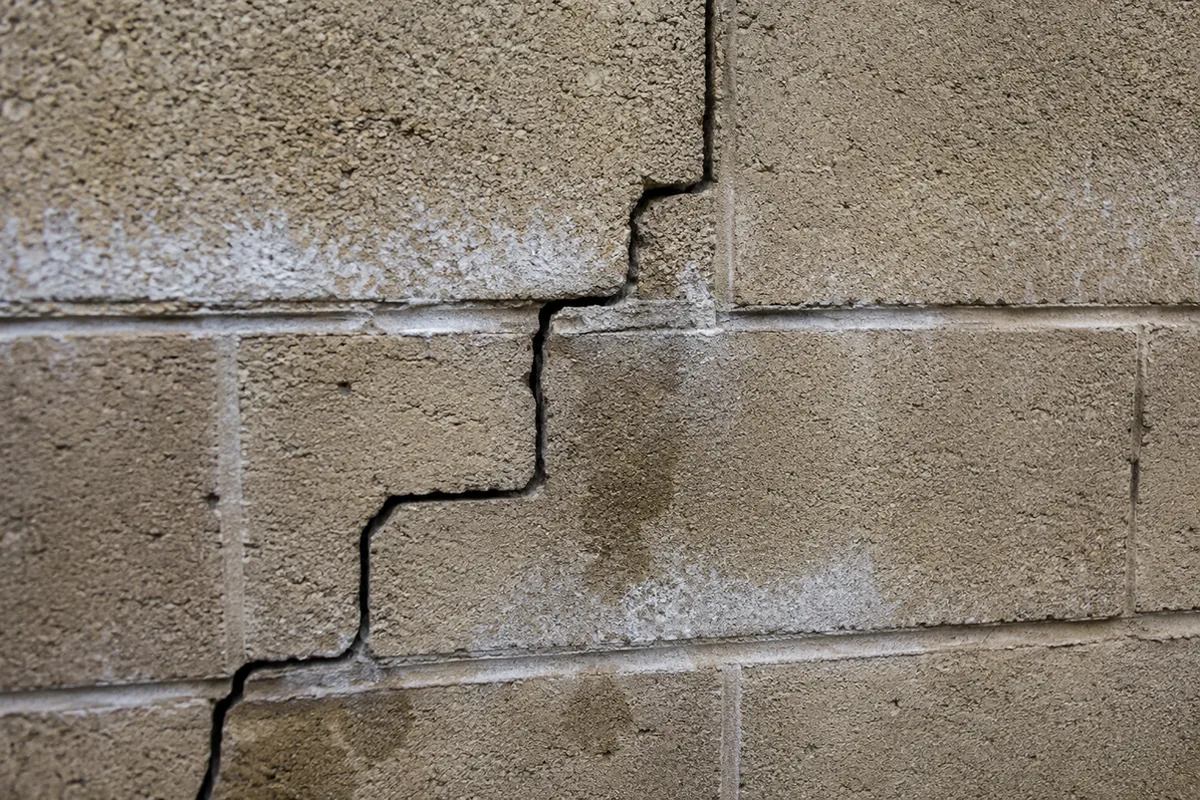
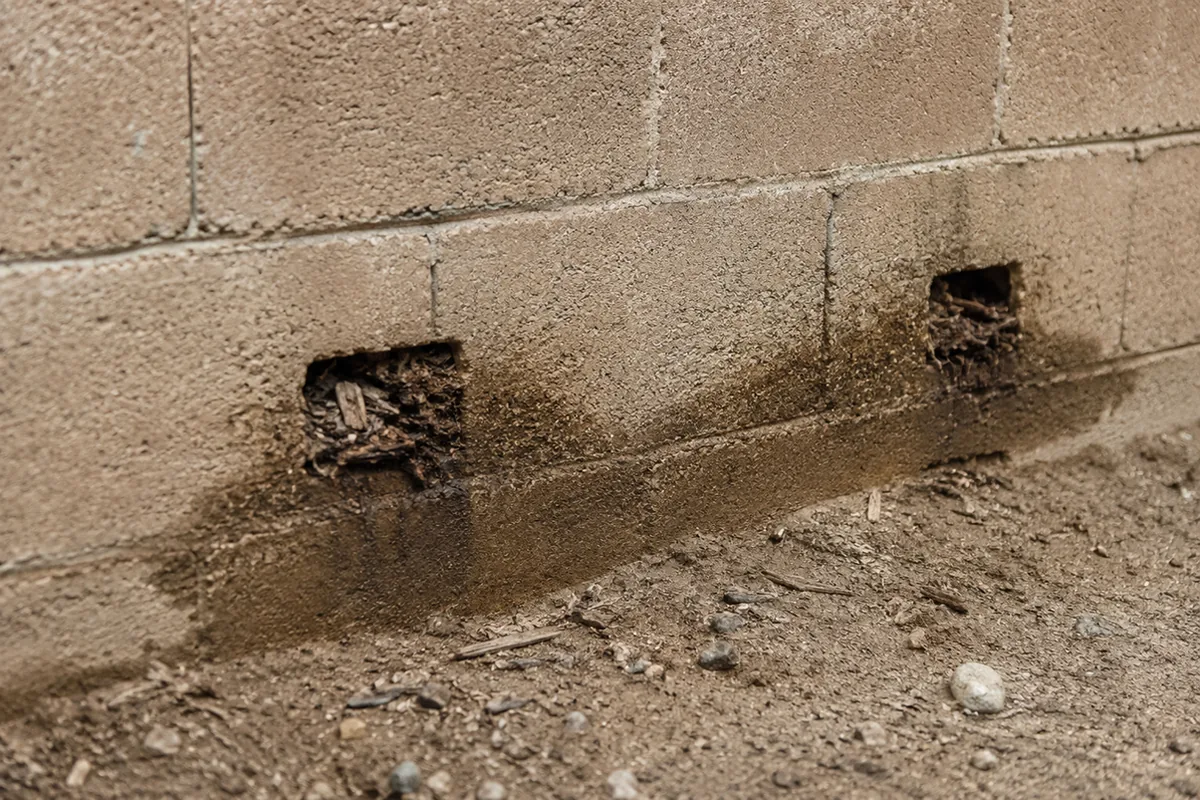
The upper retaining wall was leaning out at the top, with a stair-step crack running through three courses of block and a chalky white efflorescence bleeding from the joints. The weep holes at the base were plugged with soil and landscaping, so water had nowhere to go, and the ground behind the wall stayed saturated. Downhill, the soil had pulled away from the lower wall and a gap had opened where the earth was no longer being held. None of that shows up from the deck.
The buyer was the first person in the transaction to understand that the backyard was being held up by walls that were starting to lose the fight with the hill.
Schedule a Poway inspection · Same-day report · Pay-at-closing available
Here is how that one resolved. We documented the leaning, the cracking, the efflorescence, the blocked weep holes, and the soil separation on the same-day report, with photos, and told the buyer plainly that the engineered upper wall needed a structural or geotechnical engineer to evaluate it before they relied on it. The buyer’s agent ordered that evaluation, which confirmed the wall needed drainage correction and partial rebuild. They went back to the seller with a bid and closed with a credit for the wall work. The deal still traded. The point is not that a retaining wall is a dealbreaker. It is that on a Poway hillside the walls and the slope are major structures, and the time to learn their condition is during escrow.
Why this matters for the agent
A retaining wall is not landscaping. It is a structure doing a structural job, holding tons of soil back from the house, the yard, or the neighbor, and when it fails the repair is rarely small and sometimes urgent.
Three things tend to be on the line. First, the cost. A failing engineered retaining wall, a saturated slope, or a drainage system that was never built right runs from four figures into five, and a wall that has to be re-engineered, permitted, and rebuilt on a steep lot can run well past that. Second, the safety and liability. A wall that holds back an uphill neighbor or supports the pad under the house is a safety issue, not a cosmetic one, and a buyer needs to know before they own it. Third, the diligence gap. A standard glance does not catch a wall that is just beginning to move or a drainage system that fails only in heavy rain, and buyers rarely think to look until something leans.
If you work Poway, this is a large part of your inventory. The “city in the country” is built on hillside lots and custom slopes, from Green Valley and Old Coach to the tiered backyards throughout town, and retaining walls and slope drainage come with the territory. Agents who treat the walls and the slope as their own line items come out ahead.
What retaining walls and hillside drainage actually are
On a hillside lot, retaining walls and the drainage behind them are what make the property usable and keep the soil where it belongs.
A retaining wall holds back a slope so the ground above it does not slide onto the ground below, creating the level pads, terraced yards, and driveways a hillside home needs. Behind a properly built wall is a drainage system, gravel backfill, a perforated drain pipe, and weep holes through the wall, that lets groundwater escape instead of building up. The slope itself is managed by grading and surface drainage that carries rainwater away from the wall and the foundation rather than into them. In California, a retaining wall over four feet tall, or one carrying a surcharge load, generally requires an engineered design and a permit, which matters when you are trying to learn whether a wall was built to hold what it is holding.
The reason this matters in Poway specifically is the terrain and the soil. Poway is hillside country with decomposed-granite and clayey soils, and a great deal of its housing is custom homes on sloped lots where the buildable area was created by retaining and grading. The wall that looks like a garden feature is often the structure making the lot work.
Why retaining walls fail (the part most agents skip)
A retaining wall almost always fails for the same reason: water it was supposed to drain instead built up behind it.
When the drainage behind a wall is missing, undersized, or clogged, rainwater and groundwater saturate the soil and create hydrostatic pressure, the steady push of waterlogged earth against the back of the wall. That pressure is what makes a wall lean out at the top, bulge in the middle, crack in a stair-step pattern, or separate at its joints. Blocked or absent weep holes are the classic cause, because they are the wall’s only way to let water through. Efflorescence, the white powdery deposit on the face, is the visible signal that water is moving through the wall. Over time the pressure can undermine the footing, erode the soil at the base, and pull the earth away from the wall as it gives.
The slope above and below tells the rest of the story. Surface water that drains toward a wall instead of away from it, eroded channels, and soil that has crept or slumped all point to a hillside that is moving, slowly, in ways that threaten the walls and eventually the foundation. None of it is loud. A wall can lean a little more each wet season for years before it fails, and the failure often comes in the storm that finally overloads it.
What agents should tell every buyer on a Poway hillside
A short list buyers writing offers on Poway hillside homes should hear from you before they go into escrow.
- The retaining walls and the slope are structures, and they need to be looked at as carefully as the house. We document their condition on every hillside inspection.
- If a wall is over four feet or holds a load, ask whether it was engineered and permitted. An unpermitted tall wall is both a structural and a disclosure question.
- Walk the property after rain if you can, or ask about drainage history. Most retaining-wall problems are drainage problems that only show under water.
- Budget for the possibility of a four-figure to five-figure repair on a failing wall, and a larger number if a wall must be re-engineered and rebuilt on a steep lot.
- When a wall shows movement, plan for a structural or geotechnical engineer to evaluate it. A general inspection flags the condition; the engineer determines the fix.
If you want a one-page version of this list to text to your buyers in the pre-offer window, ask us and we will send it.
Red flags during showings (no special tools required)
You do not need equipment to flag a retaining-wall or slope concern at a showing. Add these to your walk-through on any Poway hillside property.
- A wall that leans out at the top, bulges in the middle, or is visibly out of plumb. Sight down the face of it.
- Stair-step or vertical cracking through the block or concrete, or separation at the wall’s joints and corners.
- White, powdery efflorescence on the face of the wall, which means water is moving through it.
- Weep holes that are missing, or plugged with soil and landscaping, so the wall has no way to drain.
- A gap opening between the wall and the soil it holds, or eroded, slumped, or unusually wet ground above or below the wall.
- Surface water, downspouts, or irrigation that drains toward the wall or the foundation instead of away.
None of these prove a wall is about to fail. All of them are reasons to make the inspection contingency real and to bring in an engineer when movement shows.
The negotiation playbook when a retaining wall surfaces in escrow
There are four paths most of these deals end up on. Knowing them in advance helps you steer.
Seller repairs or rebuilds before closing is the cleanest but the least common, because wall work on a slope is slow and often permit-driven. When it happens, insist the work is permitted where required, that the drainage is corrected and not just the visible crack patched, and that a re-inspection or engineer’s sign-off confirms it before closing.
Seller credits the buyer to handle it after closing is the most common outcome. Size the credit to a real bid from a licensed contractor, ideally informed by an engineer’s scope, covering the drainage correction and not just cosmetic repair. The written bid anchors the number, and a re-engineered wall on a steep lot can be a large one, so get it before the credit is finalized.
Buyer walks under the inspection contingency happens, especially when an engineer turns a leaning wall into a rebuild-plus-drainage project the buyer did not plan for. The earnest money is protected under the contingency. Your job as the buyer’s agent is to make sure they know walking is an option and what triggers it.
Deal closes with no further action is the riskiest, because the buyer inherits a wall that will keep moving on its own schedule, often with the next big storm. If the buyer wants the home anyway, document their informed decision in writing and help them plan the drainage and wall work as an early project. An escrow hold-back for the work, completed after closing, is a clean structure when the seller will engage but cannot manage a permit-driven slope job inside escrow.
How the inspection actually catches it
A quick inspection that stays on the deck will miss a moving wall and a failing slope, because the evidence is at the base of the wall, in the drainage, and on the ground above and below. Catching it takes walking the property.
We walk the slope and read each retaining wall for lean, bulge, cracking, and separation, we check the weep holes and look for the efflorescence and damp staining that signal trapped water, and we trace the surface drainage to see whether water is carried away from the walls and the foundation or toward them. We run thermal imaging along walls and the lowest interior levels to surface moisture intrusion that the slope is driving inside. Then we tell the buyer plainly when a wall shows movement that a structural or geotechnical engineer should evaluate it, because a general inspection documents the condition but does not certify what a hillside structure can safely hold.
Combined, the walk, the condition read, the drainage trace, and the thermal scan turn a hillside worry into a documented set of findings you can take into the negotiation. This is what we mean when we say infrared is standard on every Inspection.re job rather than an add-on. We caught hidden slope-driven moisture the same way on a coastal bluff, written up in our Encinitas bluff moisture guide.
Quick FAQ for buyers and agents
Does a home inspection cover retaining walls? It covers the visible condition of the walls and the slope, the drainage clues, and signs of movement, and it will flag a wall that is failing. When a wall shows real movement, the right next step is a structural or geotechnical engineer, and we say so. We document; the engineer certifies.
Does a retaining wall need a permit? In California, a wall over four feet tall, or one carrying a surcharge load, generally needs an engineered design and a permit. On a Poway hillside, ask whether tall walls were engineered and permitted, because an unpermitted wall is both a structural and a disclosure question.
What does retaining-wall work cost in Poway? A drainage correction and partial repair generally runs in the four figures, and a re-engineered wall that must be permitted and rebuilt on a steep lot runs well into five figures. Get a contractor bid informed by an engineer before the negotiation.
Why does drainage matter so much? Almost every retaining-wall failure is a drainage failure. Water that cannot escape builds hydrostatic pressure that leans, cracks, and eventually topples the wall. We check weep holes and surface drainage closely because that is where the problem starts.
Does this come up much in Poway specifically? Yes. Poway is hillside country, and much of its housing is custom homes on sloped lots where retaining walls and grading created the buildable area. The Green Valley and Old Coach hillsides and the tiered yards throughout town are where this is the norm.
The honest summary for agents
If you work Poway and you write offers on hillside homes, you are selling properties where retaining walls and the slope are structures doing real work. The walls caught moving during the inspection contingency are negotiations. The ones caught when they let go in a winter storm are emergencies with a permit attached. Your buyer is far better served by the first.
The inspection that finds it is not the cheapest one on Yelp. It is the one that walks the slope, reads every wall and its drainage, runs thermal imaging on the lowest levels, and tells the buyer plainly when an engineer needs to weigh in, with a same-day report so you have the proof in hand before the contingency clock runs out.
Schedule a Poway inspection or see our full inspection scope before you book. Common questions are answered in the FAQ. For how thermal imaging catches slope-driven moisture, read our Encinitas bluff moisture guide, and see why infrared scanning matters on hillside homes.